If you are looking at estate-style properties in Hunting Valley, you are not just shopping for a large home. You are stepping into a village where land, privacy, and design have been shaped by long-standing rules and a distinct pastoral setting. Understanding those details can help you make smarter decisions whether you plan to buy, sell, renovate, or simply evaluate what makes this market different. Let’s dive in.
What defines estate-style property here?
In Hunting Valley, estate-style living is closely tied to the village’s physical layout and development pattern. The village was incorporated in 1924, spans eight square miles in the Chagrin River Valley, and had 763 residents and 273 households in the 2020 Census.
The village’s own design guidance describes a pastoral residential community influenced by early 20th-century retreats, working farms, and sporting estates. That history still shows up today in legacy homes, repurposed barns and stables, and a strong preference for open space and low-density residential use.
For you as a buyer or seller, that means “estate-style” is not just a luxury buzzword in Hunting Valley. It typically reflects a real land pattern built around acreage, privacy, architectural consistency, and careful site planning.
Why acreage matters so much
One of the biggest reasons Hunting Valley feels different is its zoning. In the U-1 Single-Family Residential District, density is generally limited to one family per five acres, and the minimum lot area is five acres, with limited exceptions for some older separately owned lots and recorded subdivisions that predate October 19, 1938.
That rule has a major effect on the look and feel of the village. It helps preserve large parcels, generous spacing between homes, and a setting that feels more rural and secluded than a typical suburban neighborhood.
Usable acreage matters just as much as total acreage on paper. The village code states that rights-of-way, conservation easements, and floodplain areas are excluded when calculating lot area, which can materially affect what a parcel can support.
Frontage and buildability are key
A parcel can appear impressive online and still present limitations once you study the details. New lots generally must have at least 350 feet of frontage and width at the building line, or 250 feet on cul-de-sac lots, and each lot must front a public right-of-way or private street unless a narrow exception applies.
For buyers, this matters if you are considering land, a future split, or a property with a long private approach. For sellers, it matters because serious buyers will often look beyond the house itself and evaluate whether the parcel offers flexibility for future improvements.
Size expectations are different here
Hunting Valley’s code also sets a minimum first-floor area of 3,000 square feet. In addition, maximum building ground coverage is generally capped at 5,500 square feet, with a larger footprint allowed on parcels bigger than five acres.
That combination is important because it balances scale with open land preservation. In practical terms, homes here are expected to have meaningful size, but the village still limits how much of the site the structure can occupy.
Privacy is part of the design philosophy
Privacy is not just a preference in Hunting Valley. It is built into the village’s design framework.
The architectural guidelines prioritize preserving the open, rural character of the community, positioning buildings to maximize privacy between neighboring properties, and minimizing site disturbance. This helps explain why many buyers expect a long approach, mature landscape buffers, and a home placement that feels tucked into the land rather than pushed toward the street.
If you are selling, this is also a helpful lens for presentation. Buyers in this niche often respond strongly to the experience of arrival, the relationship between the house and the site, and how naturally the outdoor spaces connect to the surrounding landscape.
Architectural character shapes value
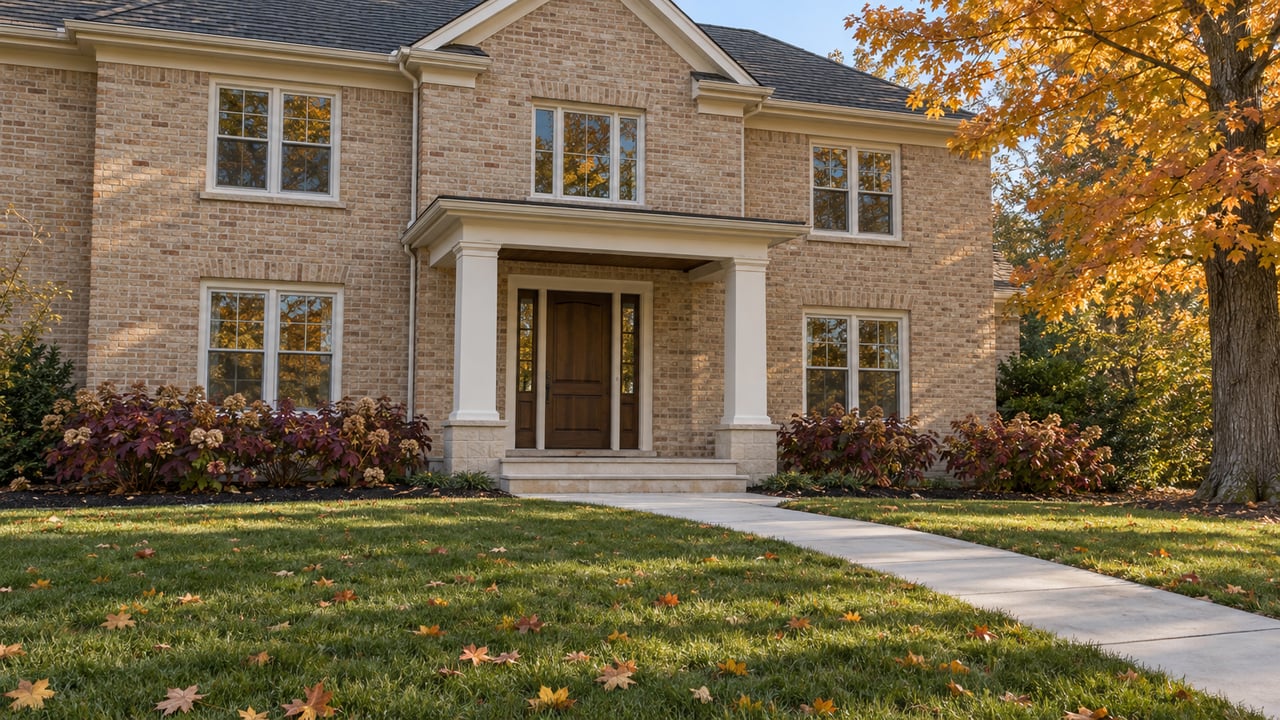
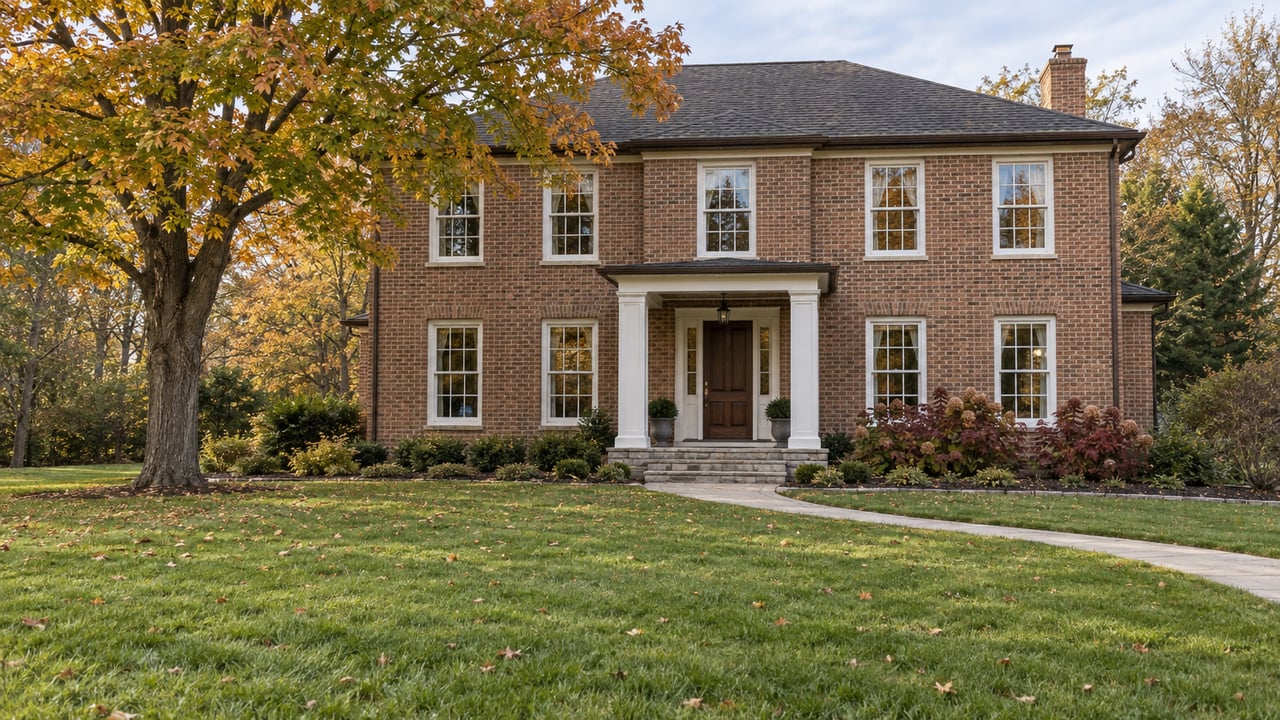
Hunting Valley commonly aligns with traditional high-end architectural styles such as Colonial Revival, Georgian, Tudor Revival, French and English Country, and Shingle Style. Contemporary designs may also be considered when they show exceptional quality and sensitivity to the site and surrounding context.
That does not mean every home looks the same. It does mean that design quality, materials, and compatibility with the land matter in a very visible way.
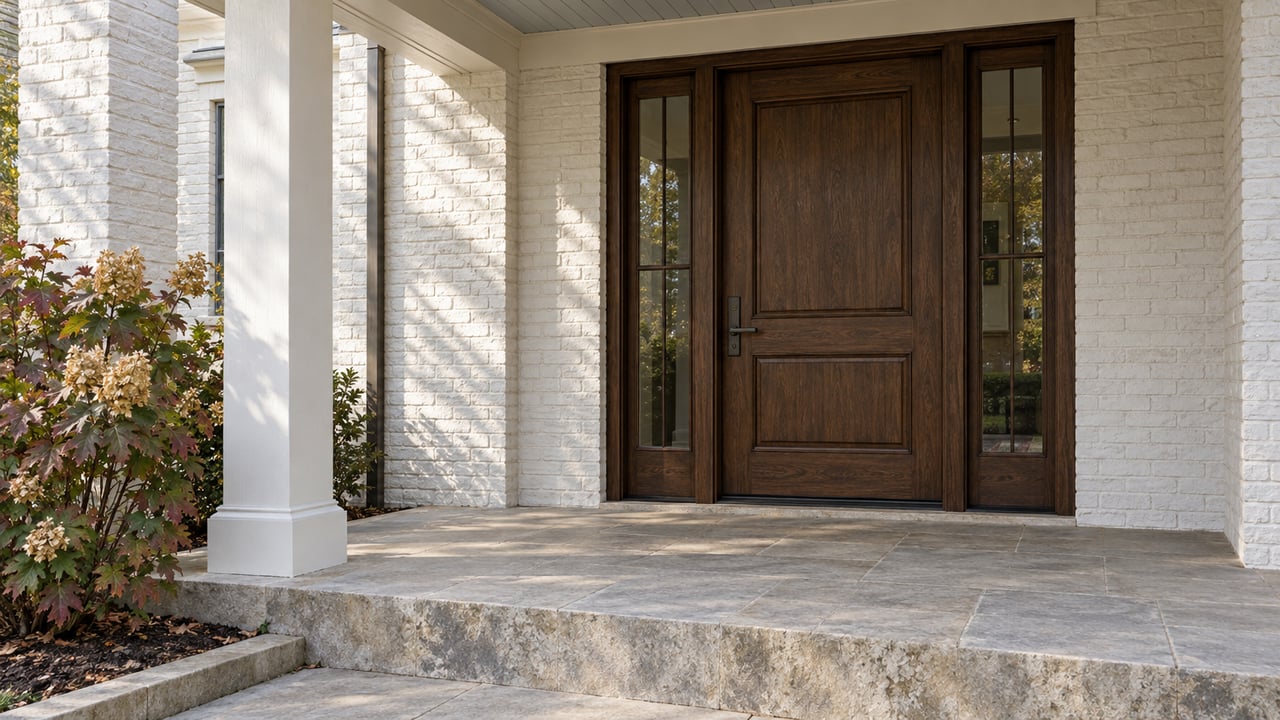
Preferred exterior materials include natural stone, brick, wood siding, stucco, natural slate, clay tile, wood shingle or shake, and quality metal roofing. These choices support the village’s long-term visual character and often play a role in how buyers perceive authenticity and permanence.
Outdoor features need thoughtful planning
Many estate buyers want more than interior square footage. They may also be looking for a pool, court, outbuilding, expanded terrace, gate, or an elegant drive framed by landscaping.
In Hunting Valley, those features need to fit within the rules. Buildings and accessory structures generally must be set 75 feet from adjoining property lines and 150 feet from roads or streets, and decks, pools, tennis courts, paddle tennis courts, and similar improvements are also regulated.
The result is that estate amenities tend to feel more integrated and intentional when they are done well. Deep setbacks, careful screening, and layered site planning are often part of what gives these properties their appeal.
Landscaping does more than beautify
Landscape design in Hunting Valley is not an afterthought. The village guidance favors multi-layered plantings, native or naturalized species, screening for utilities and recreational amenities, and year-round privacy buffers.
The guidelines also specifically contemplate split rail, post-and-rail, and wrought iron fencing. Lighting is another detail buyers and sellers should not overlook, since low-level lighting is favored and broad illumination or floodlighting of buildings and landscaping is expressly prohibited.
If you are preparing a home for market, these details can influence how polished and compliant a property feels. If you are buying, they can affect both your enjoyment of the property and your plans for future enhancements.
Renovation plans should start early
If you fall in love with a home but already know you want to make changes, do your homework early. In Hunting Valley, the Architectural Board of Review must approve qualifying exterior construction, alterations, or additions before a building permit can be issued.
Preliminary review is required for new construction and recommended for large additions or significant renovations. Applications call for a site plan, elevations, material information, and for major projects, 3D visualizations.
This is a major point for buyers who may be comparing properties. A house may look like the perfect candidate for an addition, pool house, or reworked exterior, but the real question is whether the parcel and proposed design can meet the village’s acreage, setback, and coverage standards.
What sellers should address before listing
Sellers in Hunting Valley benefit from a detail-first strategy. The village Building Department performs Residential Property Maintenance and Pre-Sale Home Inspections, so local inspection and repair conversations may come into play earlier than expected.
That makes preparation especially important for estate-style homes, where deferred maintenance can involve larger-ticket items such as long driveways, site lighting, fencing, pools, courts, and outbuildings. A thoughtful pre-listing plan can help you identify issues before they become negotiation points.
It also helps to organize records tied to additions, exterior changes, and major site features. Buyers in this segment often want a clear picture of what exists, how it has been maintained, and whether it aligns with current local requirements.
Road access is worth verifying
Another practical detail is road access. Hunting Valley notes that its Service Department maintains about 19 miles of public roads and 6.5 miles of private roads by contract.
For buyers, that is a good reminder to verify whether a property fronts a public street or a private road arrangement. Understanding access and maintenance responsibility can shape both expectations and long-term ownership planning.
Smart due diligence for buyers
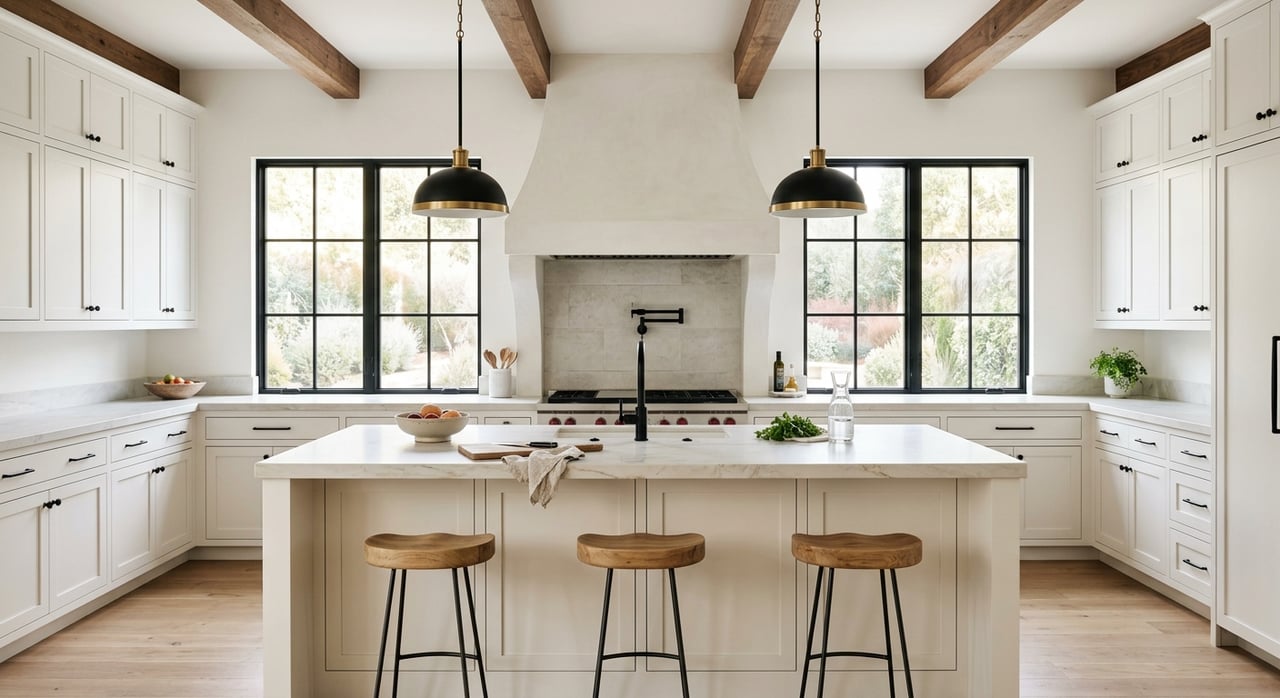
When you evaluate an estate-style property in Hunting Valley, it helps to think beyond finishes and square footage. The strongest due diligence often centers on the land and the improvements together.
A practical checklist includes:
- Usable acreage, not just total acreage
- Frontage and width at the building line
- Easements, rights-of-way, and floodplain impact
- Public street or private road access
- Setbacks for existing and future improvements
- Ground coverage limits
- Architectural Board of Review implications
- Condition and compliance of driveways, lighting, pools, courts, fencing, and outbuildings
These are the kinds of details that can affect future plans, long-term costs, and resale value.
Why local guidance matters
Estate-style properties in Hunting Valley ask for a more careful read than many other homes. The combination of acreage rules, architectural review, privacy-focused siting, and regulated outdoor amenities means each property has its own set of opportunities and constraints.
That is why local market knowledge matters so much. When you understand how the village’s land pattern and design standards shape value, you can make more confident decisions whether you are buying a one-of-a-kind property or preparing one for sale.
If you are considering a move in Hunting Valley, the team at Smith Garofoli Group can help you evaluate the property, the parcel, and the details that matter most.
FAQs
What makes a property estate-style in Hunting Valley?
- In Hunting Valley, estate-style property typically reflects large acreage, low-density zoning, privacy, deep setbacks, open space, and architecture that fits the village’s design character.
What is the minimum lot size for many Hunting Valley homes?
- In the U-1 Single-Family Residential District, the minimum lot area is generally five acres, with limited exceptions for certain older lots and subdivisions on record before October 19, 1938.
Why does usable acreage matter in Hunting Valley?
- Rights-of-way, conservation easements, and floodplain are excluded from lot area calculations, so a parcel’s buildable or functional area may be less than the total acreage shown in a listing.
Can you add a pool or court to a Hunting Valley property?
- Possibly, but pools, courts, decks, and similar improvements are regulated, and buyers should confirm setbacks, coverage limits, and review requirements before making plans.
Do exterior renovations in Hunting Valley need approval?
- Qualifying exterior construction, alterations, and additions generally require Architectural Board of Review approval before a building permit can be issued.
What should sellers prepare before listing a Hunting Valley estate property?
- Sellers should be ready for local inspection and repair discussions and should review the condition, documentation, and compliance of major property features such as driveways, lighting, fencing, pools, courts, and outbuildings.