Thinking about Cleveland Heights? If you want a neighborhood with historic charm, everyday convenience, and quick access to some of Greater Cleveland’s biggest job and cultural centers, this city stands out for good reason. It offers a very specific kind of lifestyle: older homes, walkable business districts, strong arts access, and a setting that feels established rather than newly built. Here’s what it’s really like to live in Cleveland Heights and what you should know before you move.
Cleveland Heights at a Glance
Cleveland Heights is one of Cleveland’s historic streetcar suburbs. It began as a hamlet in 1901, became a village in 1903, and was incorporated as a city in 1921.
That history still shapes the feel of the area today. Instead of a postwar suburban layout, Cleveland Heights reads as an early-20th-century community with tree-lined streets, neighborhood commercial districts, and housing that reflects decades of layered growth.
The city is located on Cleveland’s East Side, just up the hill from University Circle. That gives you convenient access to downtown Cleveland, major museums, colleges, and nearby medical facilities while still living in a neighborhood setting.
Housing Has Character
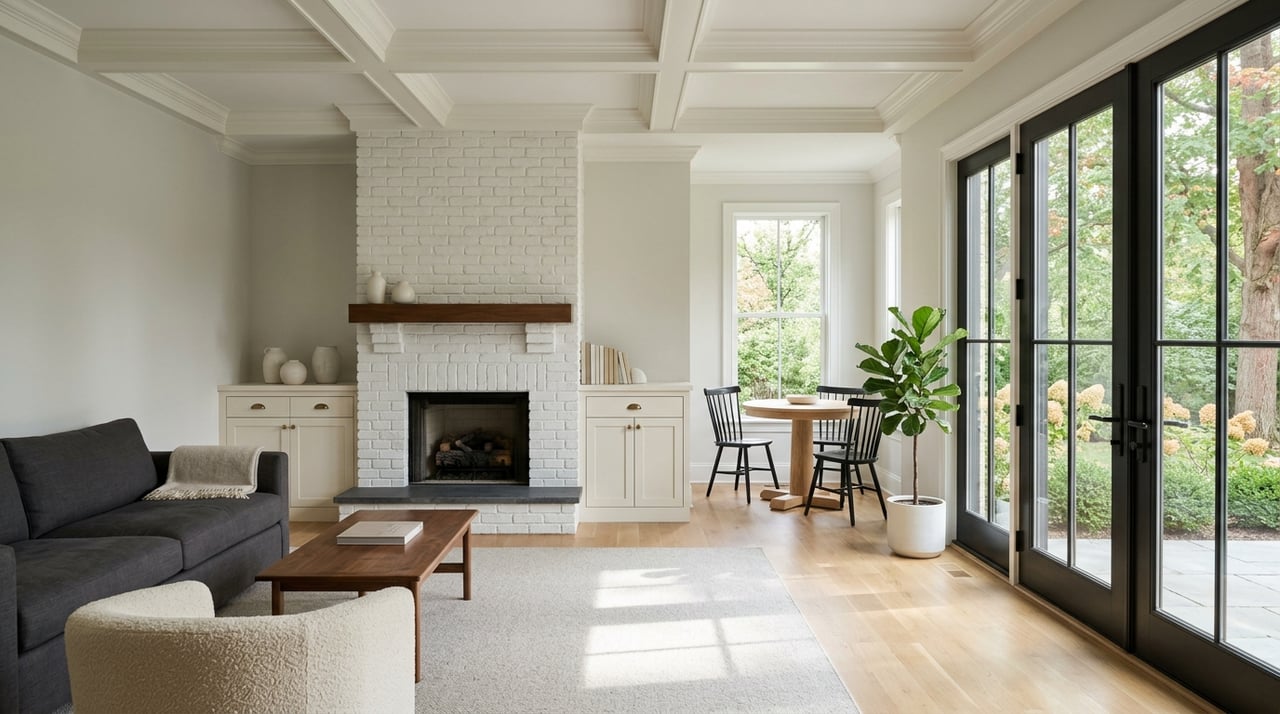
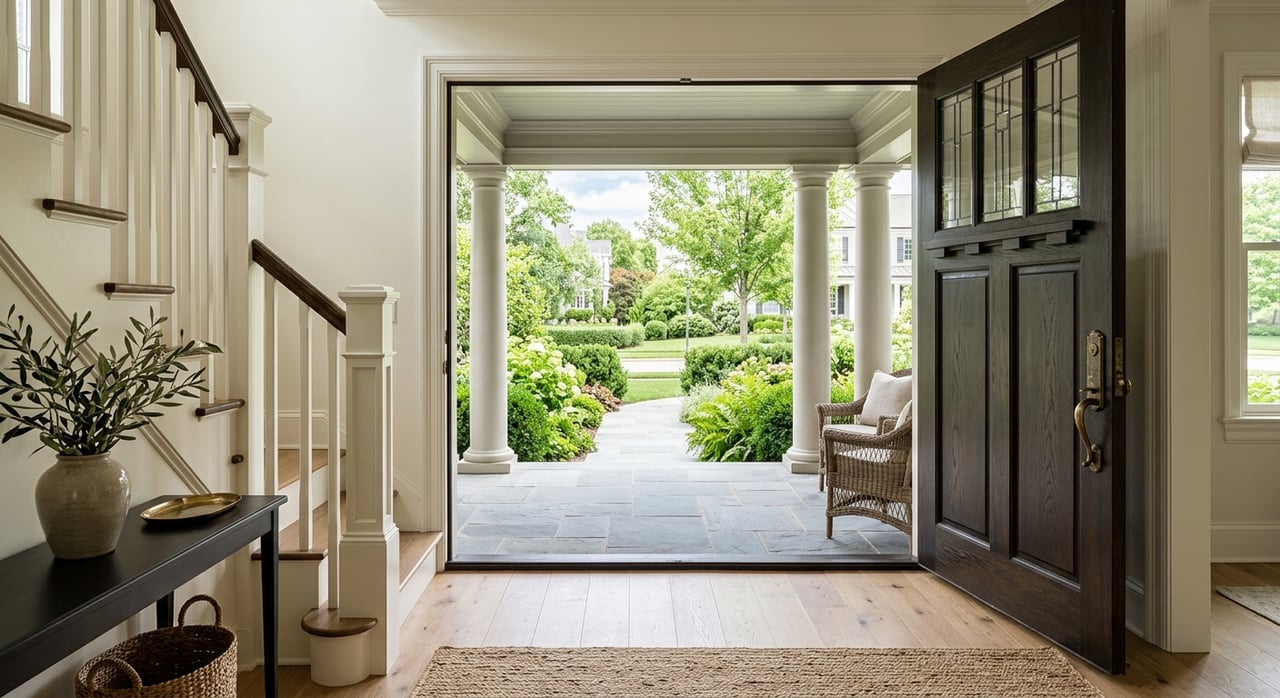
One of the biggest draws of Cleveland Heights is its housing stock. If you are looking for brand-new, uniform construction, this may not be the right fit.
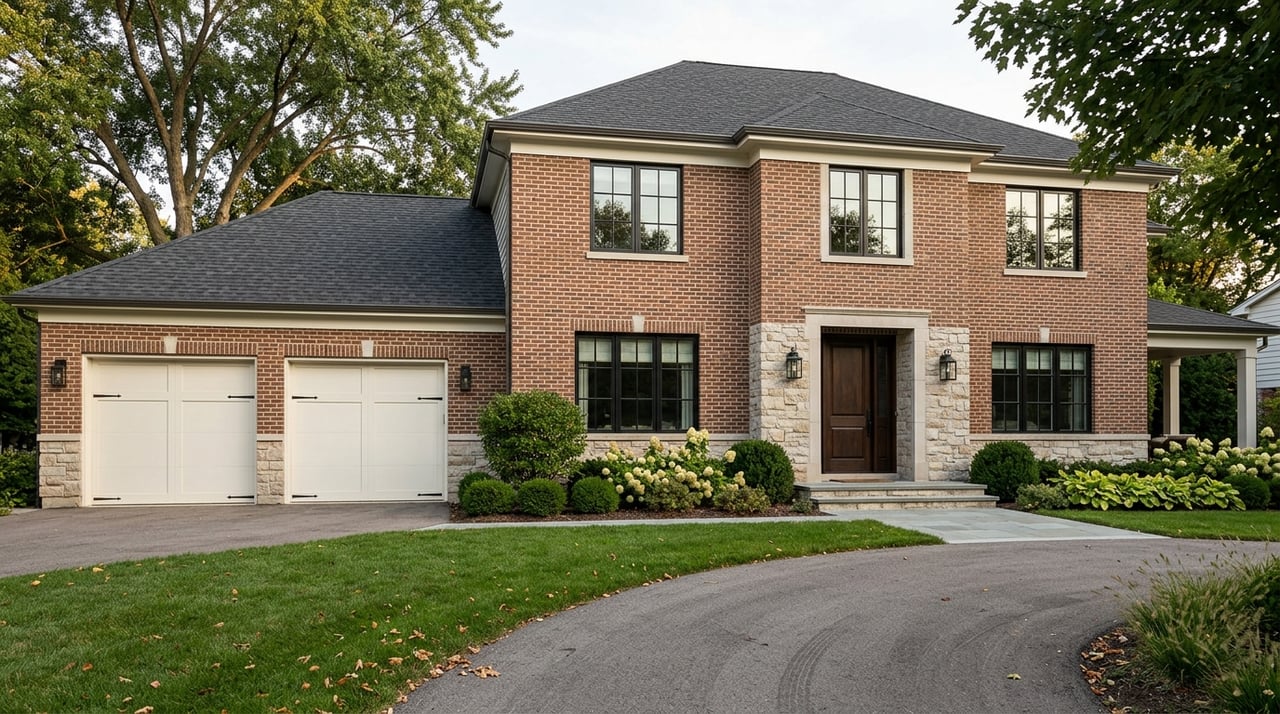
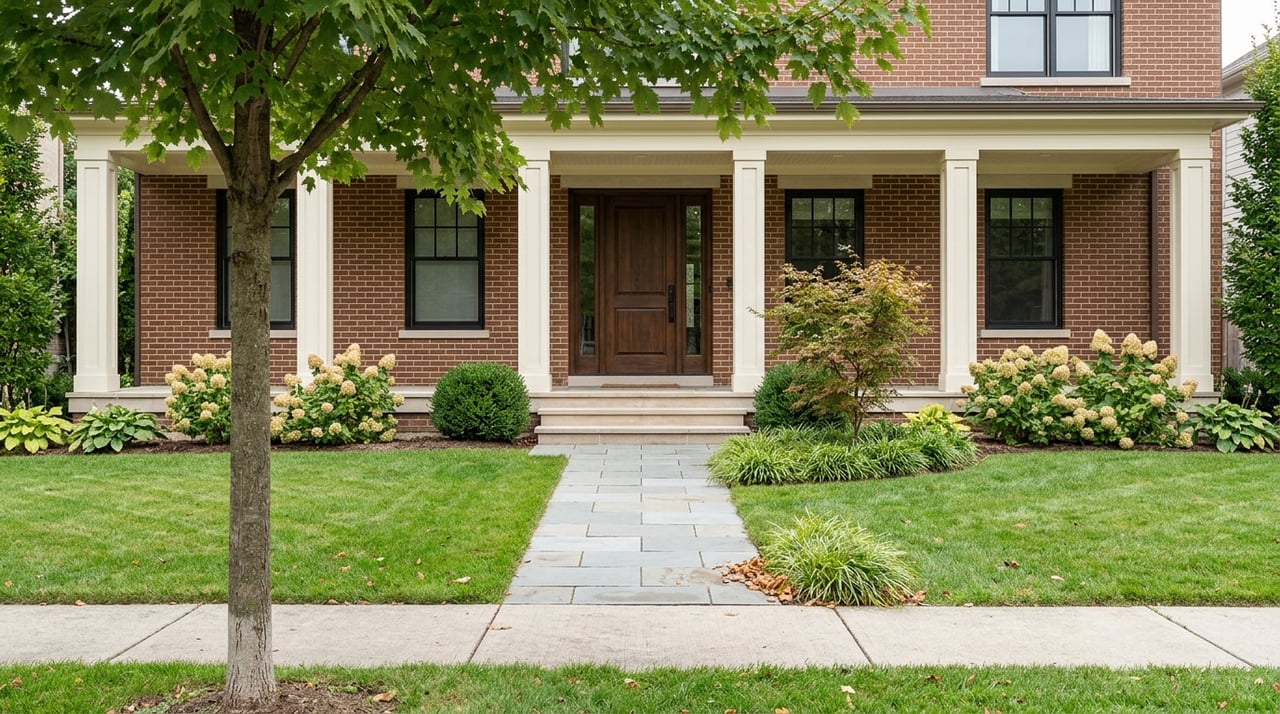
If you appreciate older homes with details and variety, Cleveland Heights offers a lot to explore. The city includes bungalows, apartment houses, Colonial Revival homes, Tudor Revival homes, and a large number of two-family doubles tied to its streetcar-era development.
That variety gives the market a more layered feel. You are not seeing the same home repeated block after block. Instead, many streets have their own rhythm, scale, and architectural personality.
Historic areas add to that appeal. Ambler Heights, Grant Deming’s Forest Hill, and Rockefeller’s Forest Hill highlight the range of architecture found here, including architect-designed homes, period-revival styles, and French Norman construction associated with the Rockefeller estate.
For buyers, that means Cleveland Heights can feel more distinctive than a newer suburb. For sellers, it also means presentation, pricing, and neighborhood-specific guidance matter, because homes are often less cookie-cutter and more individually defined.
Walkability Depends on Where You Live
Cleveland Heights is often described as walkable, and that is true in many of its commercial districts. The city notes that many shops, restaurants, and services are within walking distance of nearby homes.
That said, the experience is not identical across the entire city. The strongest day-to-day walkability is concentrated around neighborhood business districts and civic corridors.
Some of the best-known commercial areas include:
- Cedar Fairmount
- Cedar Lee
- Coventry Village
- Cedar Taylor
- Noble Monticello
- Noble Nela
Cedar Fairmount is known as the city’s first planned neighborhood shopping district and is often seen as a gateway into Cleveland Heights. It blends dining with practical everyday stops, which helps support a live-near-what-you-need lifestyle.
Cedar Lee is one of the clearest examples of how daily life can feel connected here. The district has more than 100 small businesses and sits alongside tree-lined residential streets, creating an easy transition between homes and neighborhood activity.
Coventry Village adds another layer to the city’s personality. It is often described as one of the area’s most original shopping experiences, with a mix of errands, restaurants, and independent stores.
Cedar Taylor offers more practical neighborhood convenience, including everyday retail and dining options. The Noble Road corridor is also the focus of an active streetscape study aimed at improving walkability.
The city’s Complete and Green Streets work supports this lifestyle by adding pedestrian and bicyclist amenities in districts such as Cedar Lee, Cedar Fairmount, Coventry, Cedar Taylor, North Park, Edgehill at Overlook, and Noble.
Dining and Everyday Errands Feel Local
If you like neighborhoods where daily routines do not always require a long drive, Cleveland Heights has real appeal. Its commercial districts help make errands and dining feel built into everyday life instead of isolated in large shopping centers.
Cedar Fairmount is highlighted by the city for its award-winning restaurants, while Coventry offers a wide mix of food choices, including casual, vegetarian, and international options. That gives residents variety close to home.
The overall effect is a neighborhood that feels active and lived-in. You can grab a meal, run errands, or spend part of the day in a local business district without needing to head far outside the city.
Parks and Recreation Add Balance
Cleveland Heights also offers a strong park and recreation network for a built-out inner-ring suburb. The city says it has more than 135 acres of parkland and five city parks: Barbara H. Boyd Park, Cain Park, Cumberland Park, Denison Park, and Forest Hill Park.
That gives residents access to both neighborhood green space and larger gathering places. Forest Hill Park in particular is one of the area’s best-known park settings and adds to the sense that this is a mature community with established outdoor amenities.
The community center broadens the options beyond open space alone. It includes a fitness center, a year-round Olympic-size ice rink, a senior activity center, rental rooms, and summer day camp.
The city also points to a pool, tennis courts, and a skate park as part of its recreation offerings. For many buyers, this mix can make daily life feel more convenient and well-rounded.
Arts and Culture Are Part of Daily Life
One of Cleveland Heights’ most distinctive lifestyle advantages is its arts presence. This is not just a place with nearby cultural access. It also has its own local arts ecosystem.
Cain Park is a major part of that identity. In 2026, Cleveland Heights said it is the oldest operating municipally owned performing arts venue in the country, with an annual schedule of theater, visual arts, and live music across two stages.
Other cultural anchors include Dobama Theatre, the Audrey and Harvey Feinberg Art Gallery, and Heights Arts. These amenities help give Cleveland Heights a community feel that goes beyond housing and location.
Then there is University Circle just down the hill. University Circle is home to museums, music venues, parks and gardens, universities, libraries, hospitals, and recurring public events, which expands your options even further without placing you far from home.
Access to Major Employers Is a Real Advantage
For many residents, Cleveland Heights works especially well because of its location. The city is just up the hill from University Circle, where several major institutions are concentrated.
University Hospitals Cleveland Medical Center is located in University Circle on a 35-acre campus. Cleveland Clinic Main Campus is on Euclid Avenue, and Case Western Reserve University is in the heart of University Circle.
That proximity can be especially meaningful if you work in health care, higher education, or nearby cultural institutions. It can also make the area attractive for relocating professionals who want a neighborhood setting with relatively easy access to those destinations.
Regional connectivity also helps. RTA’s HealthLine connects Downtown Cleveland and University Circle, adding another layer of access to nearby employment and cultural centers.
Schools and Libraries Support Daily Convenience
The Cleveland Heights-University Heights City School District serves Cleveland Heights, University Heights, and part of South Euclid. As of March 19, 2026, the district reported 4,655 students across seven elementary schools, two middle schools, one high school, an options program, and an early childhood center.
The district also emphasizes extracurricular opportunities, including vocal and instrumental music programs. For buyers comparing communities, that helps paint a clearer picture of the services and activities available within the district.
Library access is another everyday plus. The Cleveland Heights-University Heights Library system operates four branches, including locations on Lee Road, Coventry Road, Noble Road, and Cedar Road in University Heights.
Who Cleveland Heights Fits Best
Cleveland Heights tends to appeal most to buyers who value character, location, and neighborhood identity. If you want historic architecture, local business districts, arts access, parks, and closeness to University Circle, this city checks many boxes.
It can be especially appealing if you do not need brand-new housing or a fully car-dependent suburban layout. Instead, you may be looking for an established neighborhood with personality and a more connected feel.
There are trade-offs to understand. Much of the housing is older, and the most walkable daily experience is strongest near the city’s commercial districts rather than evenly spread across every block.
That is why local guidance matters. In a market like Cleveland Heights, the right fit often comes down to the exact street, housing style, and distance to the amenities that matter most to you.
If you are considering a move to Cleveland Heights, working with a team that knows how Northeast Ohio neighborhoods differ block by block can make the process much clearer. The Smith Garofoli Group helps buyers and sellers navigate communities like Cleveland Heights with practical advice, local insight, and hands-on support from start to finish.
FAQs
What is Cleveland Heights known for?
- Cleveland Heights is known for its streetcar-suburb history, tree-lined streets, varied older homes, neighborhood business districts, parks, and strong arts access near University Circle.
What types of homes are common in Cleveland Heights?
- Cleveland Heights includes bungalows, apartment houses, Colonial Revival homes, Tudor Revival homes, and more than 1,200 two-family houses tied to its historic streetcar-era development.
Is Cleveland Heights walkable for daily errands?
- Cleveland Heights has walkable pockets, especially near commercial districts like Cedar Lee, Cedar Fairmount, Coventry Village, and Cedar Taylor, where shops, restaurants, and services are close to nearby homes.
What parks and recreation options are in Cleveland Heights?
- Cleveland Heights offers more than 135 acres of parkland, five city parks, a community center, a fitness center, a year-round ice rink, a pool, tennis courts, and a skate park.
How close is Cleveland Heights to University Circle?
- Cleveland Heights is just up the hill from University Circle, giving residents convenient access to nearby hospitals, universities, museums, music venues, and other major destinations.
Is Cleveland Heights a good fit for relocating professionals?
- Cleveland Heights can be a strong fit for relocating professionals who want historic neighborhood character and convenient access to institutions like University Hospitals, Cleveland Clinic Main Campus, and Case Western Reserve University.