If you are thinking about buying in Moreland Hills, you are probably looking for more than just a house. You may want land, privacy, room to grow, and a setting that feels calm without being far from everyday needs. The good news is that Moreland Hills is built around exactly that kind of lifestyle, and understanding how the village works can help you buy with more confidence. Let’s dive in.
Why Moreland Hills Stands Out
Moreland Hills is a small residential suburb about 14 miles east of Cleveland. According to the village, it has a semi-rural character, with residences on two-acre lots throughout most of the community. With 3,466 residents and 1,313 households counted in the 2020 census, it offers a smaller-scale setting than many nearby suburbs.
That small scale shapes the experience of living here. The village emphasizes open space, natural beauty, parkland, and careful growth. For you as a buyer, that often translates into a more spacious feel, less visual crowding, and a community pattern centered on land and preservation.
Large Lots Define the Market
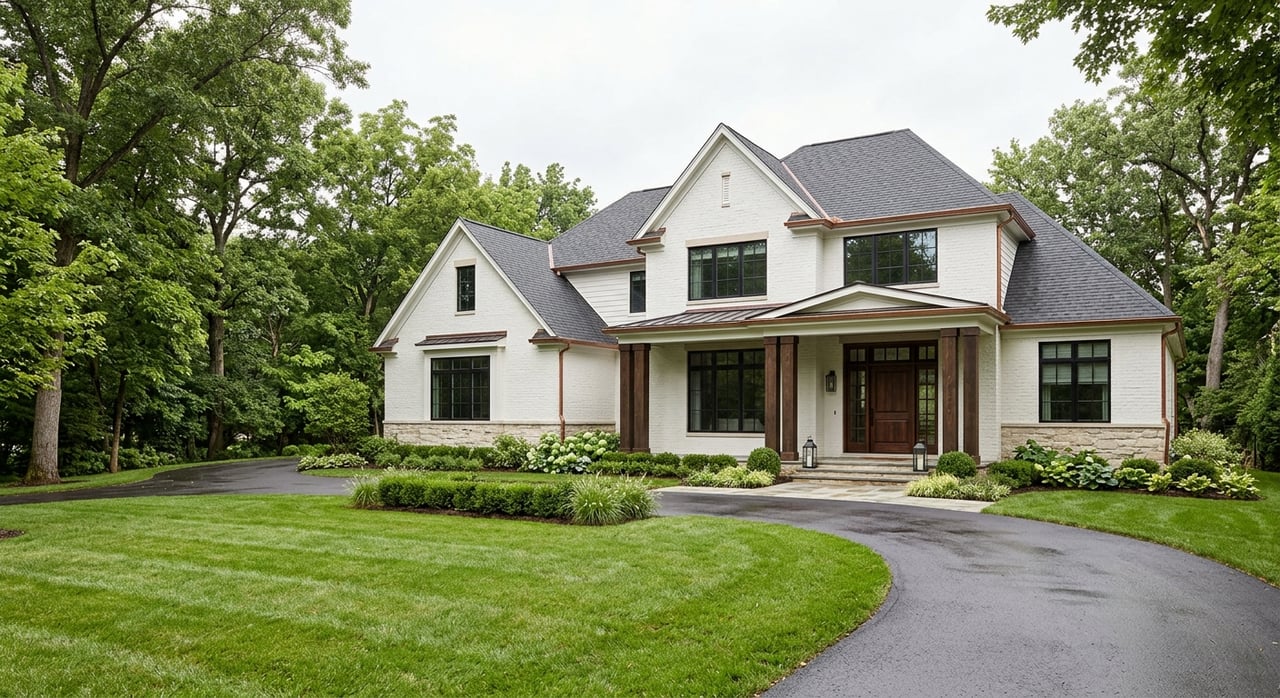
When people talk about buying in Moreland Hills, the lot is often a big part of the story. In the standard U-1 dwelling house district, the minimum lot area is 87,000 square feet, with a minimum lot width of 175 feet at the building setback line. The code also limits maximum lot coverage to 12%.
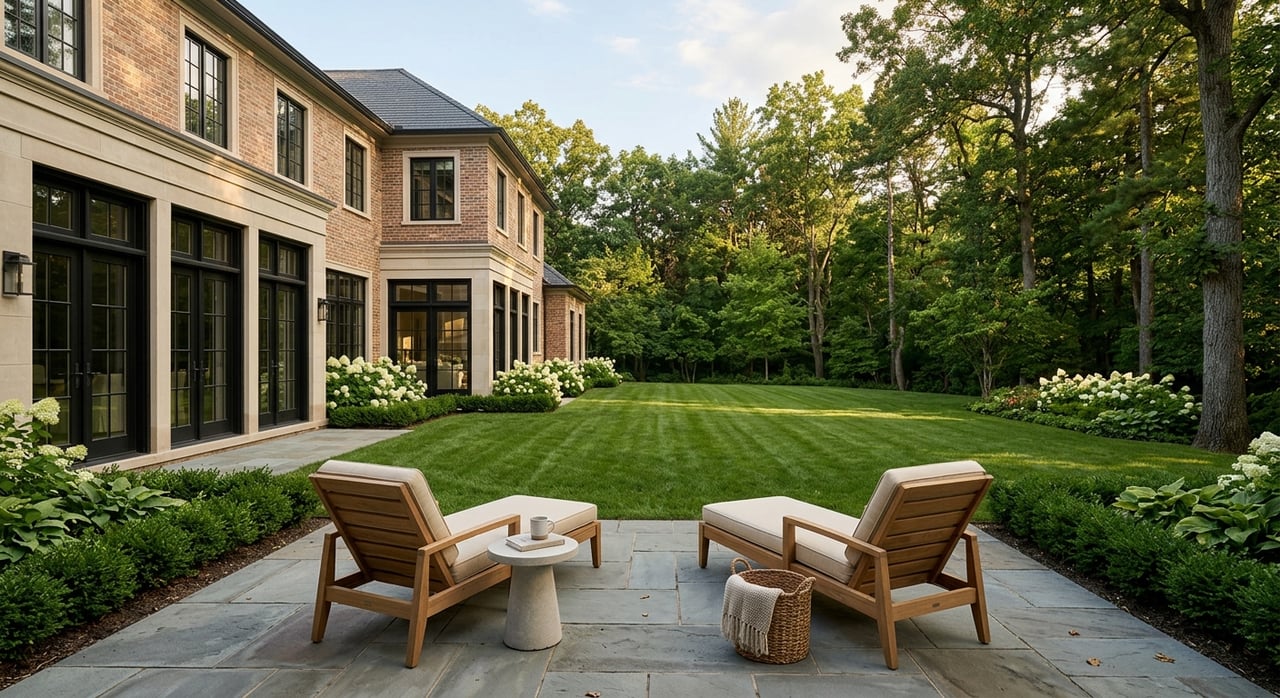
In plain terms, homes here are generally placed on large parcels with more open ground around them. This is not the typical compact subdivision layout you may see in other areas. If you value yard space, visual separation, and a lower-density setting, that land pattern is a major reason buyers look here.
What a two-acre pattern means for you
A large lot can offer flexibility and breathing room, but it also changes how you evaluate a property. The house matters, of course, but so do the driveway length, topography, tree coverage, drainage, and how the home sits on the land. In Moreland Hills, the parcel is part of the lifestyle, not just a line on the listing.
You may also notice that homes feel more spread out from the street and from each other. That open look is not accidental. It is reinforced by village zoning standards that support a low-density, visually open environment.
Expect a Mix of Older and Newer Homes
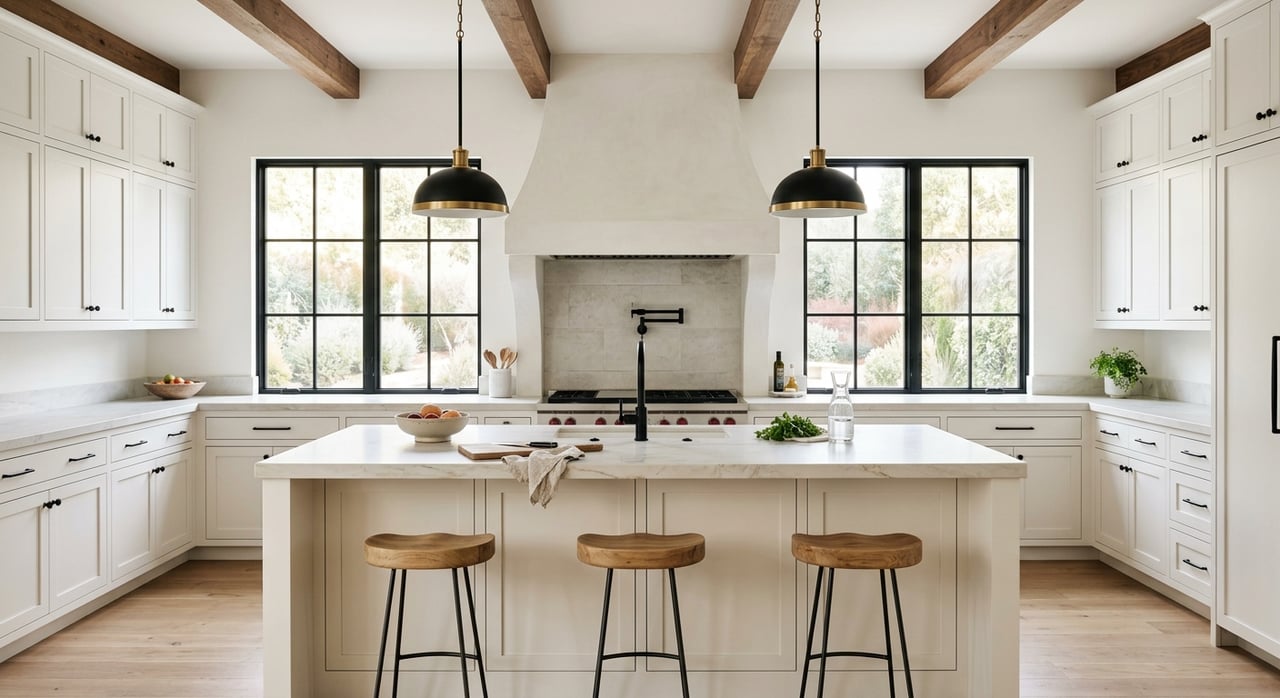
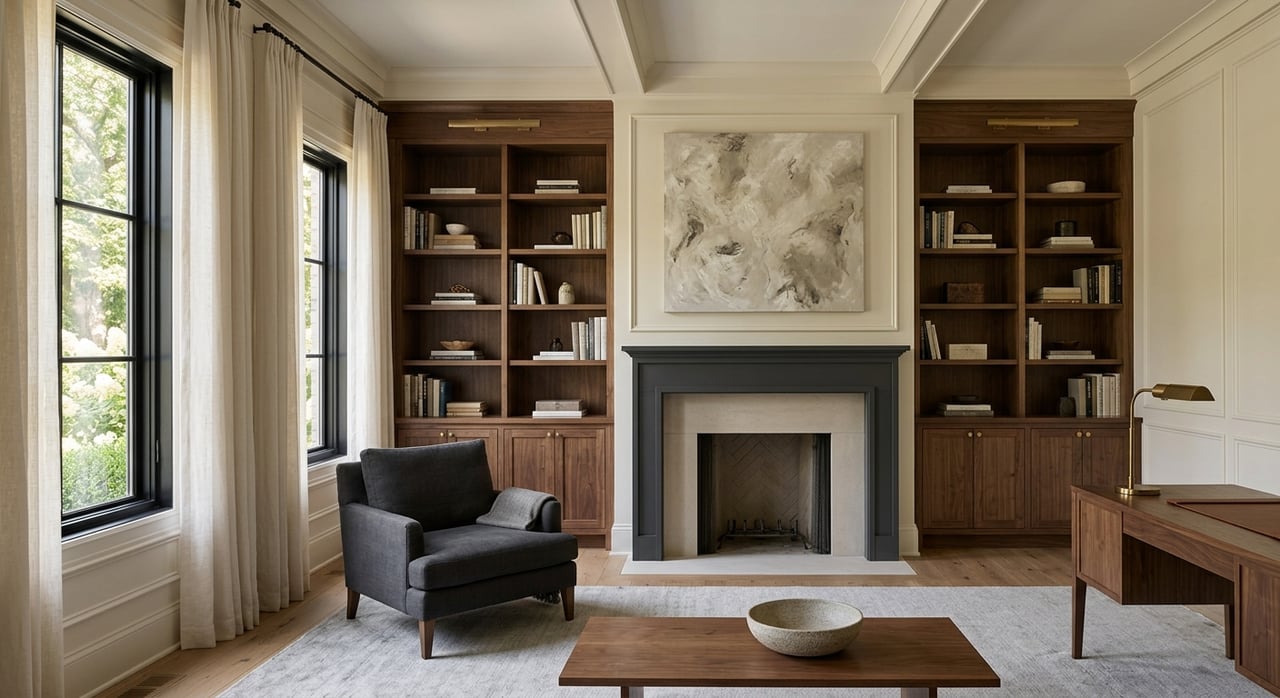
Moreland Hills is not a one-look market. The village describes its housing as both old and new, and that fits what buyers often expect here: older custom homes, rebuilt properties, and newer estate-style construction. Instead of a uniform tract-home pattern, you are more likely to see variety in age, design, and setting.
That variety can be a plus if you want options. You may find a home with classic character on mature land, or something newer with updated finishes and a custom layout. The key is to compare not only price and square footage, but also lot usability, condition, architectural style, and how the home fits its surroundings.
Design rules shape the streetscape
Village code places real emphasis on exterior design compatibility with surrounding homes. It references proportions, materials, roof pitch, porches, dormers, gables, hips, and other traditional roof forms. In many cases, front-facing attached garages are generally prohibited on U-1 streets.
For buyers, this matters because it helps explain the visual character of the community. The streetscape is shaped by rules intended to keep homes compatible with their setting. That can be important if you care about curb appeal, long-term consistency, and how future changes around you may be reviewed.
Outdoor Access Is Part of Daily Life
One of the strongest lifestyle advantages in Moreland Hills is access to nature. South Chagrin Reservation runs through the village and includes rugged trails, hemlock forests, sandstone ledges, coldwater creeks, ravines, bridle trails, fishing, picnic areas, sledding, and access to the Buckeye Trail. It also includes landmarks and recreation areas such as Look About Lodge, Henry Church, Jr. Rock, the Polo Field, and Jackson Field.
The village also owns Forest Ridge Preserve, a 142-acre passive park open year-round from dawn to dusk. It offers hiking, birding, catch-and-release fishing, a fishing pond, trails for walkers and runners, restrooms, and the Lang Pavilion. It sits next to the much larger South Chagrin Reservation, which adds to the connected outdoor feel of the area.
What that lifestyle can look like
For many buyers, these park resources are not just nice extras. They shape the rhythm of daily life. You may be looking at a place where a walk, a trail run, birding, or time outdoors becomes a regular part of your week.
That outdoor network also supports the village’s semi-rural identity. If you are drawn to Moreland Hills, chances are you are not only buying a home, but also buying into a setting where open space and natural surroundings are part of the appeal.
What Buyers Should Check Before Making an Offer
In a community like Moreland Hills, due diligence goes beyond bedrooms and bathrooms. Because land, zoning, and village review play such a large role, it helps to ask practical questions early. That can save you time and help you avoid surprises after closing.
Here are a few smart checks to make during your home search:
- Confirm the exact lot size and dimensions.
- Ask about topography, drainage, and any site constraints.
- Review whether past additions or exterior changes had permits.
- Check what would be involved if you want a pool, fence, garage change, driveway work, or an addition.
- Verify school district boundaries by exact property address.
These questions are especially important if you are buying with future plans in mind. A home that works well for you today may look different if you hope to expand, reconfigure outdoor space, or make major site improvements later.
School District Boundaries Need Address Verification
If schools are part of your home search, make sure you verify boundaries by property address. The village says both Orange and Chagrin Falls school districts serve Moreland Hills. It also notes that Orange City Schools includes Moreland Hills School for grades K through 5 and serves Moreland Hills among eight municipalities.
The important takeaway is simple: do not assume district assignment based on mailing address or general location alone. In Moreland Hills, address-level confirmation matters.
Future Projects May Require More Review
Many buyers are attracted to Moreland Hills because of its generous lots and custom-home feel. If that includes plans for additions or site work, you should know that the approval process may be more involved than in a typical subdivision. The village requires permits and plan review for many home projects.
For certain improvements, the village asks for engineer- or surveyor-sealed site plans with contours and drainage details, especially on hilly lots. The village also says lot splits or consolidations must go through the Planning Commission and Village Council. If you are buying land value as much as house value, that review structure is a major part of the picture.
Projects to think through early
Before you buy, it is worth considering whether you may want to make changes such as:
- Building an addition
- Installing a pool
- Changing a driveway layout
- Adding or replacing a garage feature
- Installing fencing
- Splitting or combining lots
None of that means improvements are off the table. It simply means that planning ahead is especially important in Moreland Hills, where village oversight helps preserve the community’s established pattern.
Why Preservation Matters for Long-Term Appeal
A big part of Moreland Hills’ identity comes from rules that protect its large-lot, low-density character. The two-acre minimum pattern, 175-foot lot width requirement, 12% lot coverage cap, architectural compatibility review, and limits on most front-facing attached garages all work together to support that look and feel.
For buyers, this can be an important part of long-term appeal. These standards help explain why the village feels visually open and consistent from one area to the next. If you are looking for a place where land, spacing, and design standards are central to the community character, Moreland Hills offers a clear example of that approach.
Local Insight Makes a Difference
Buying in Moreland Hills is often about reading the property beyond the photos. Two homes with similar square footage can live very differently based on lot shape, setbacks, site conditions, privacy, and future improvement options. That is why local knowledge matters so much here.
A thoughtful home search should balance house features with zoning realities, outdoor setting, and long-term fit. When you understand how Moreland Hills is structured, you can make a more informed decision and focus on the properties that truly match your goals.
If you are considering a move to Moreland Hills or comparing it with nearby East Side communities, the Smith Garofoli Group can help you evaluate homes, lots, and lifestyle fit with practical local guidance.
FAQs
What is the typical lot size pattern in Moreland Hills?
- Moreland Hills is known for large residential parcels, and the standard U-1 district requires a minimum lot area of 87,000 square feet, which reflects the village’s two-acre lot pattern.
Are there parks and trails in Moreland Hills?
- Yes. South Chagrin Reservation runs through Moreland Hills, and the village-owned Forest Ridge Preserve offers trails, birding, fishing, and other passive outdoor uses.
Are all homes in Moreland Hills in the same school district?
- No. The village says both Orange and Chagrin Falls school districts serve Moreland Hills, so you should verify school assignment by exact property address.
Is it easy to add a pool or addition in Moreland Hills?
- Home projects may require permits, plan review, and detailed site plans, especially for properties with hills or drainage considerations.
What makes Moreland Hills different from a typical subdivision community?
- Moreland Hills is defined by large lots, low lot coverage, design compatibility standards, and a semi-rural setting with strong access to open space and parkland.